Emergency Preparedness: Protecting Commercial Properties from Catastrophic Plumbing Failures
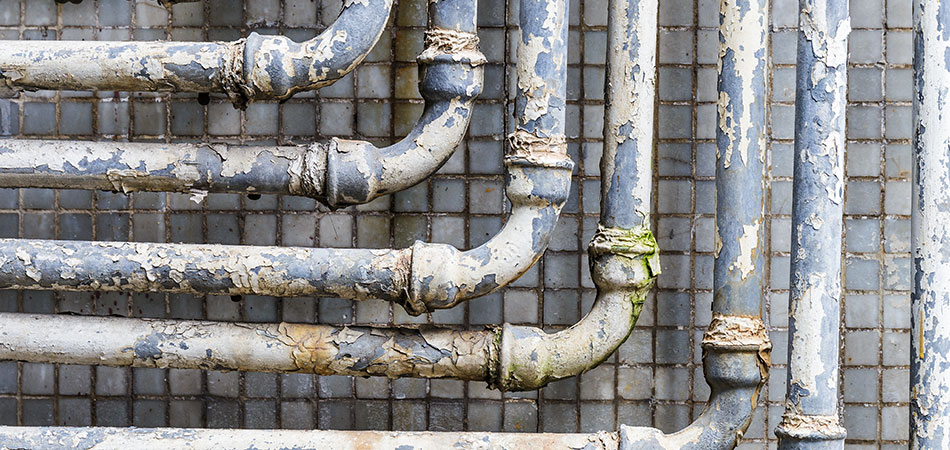
Plumbing emergencies in commercial facilities rarely occur at convenient times or in easily accessible locations. Burst pipes flooding multiple floors, sewer backups contaminating occupied spaces, or water heater failures eliminating hot water during peak demand create immediate crises requiring rapid, coordinated responses. The difference between minor incidents and catastrophic losses often depends on preparation quality and response effectiveness. Comprehensive emergency preparedness programs protect property values, maintain business continuity, and minimize liability exposure when plumbing failures inevitably occur.
Understanding Commercial Plumbing Emergency Risk Profiles
Different commercial property types face distinct plumbing emergency risks requiring tailored preparedness strategies. Multi-family residential properties experience frequent toilet overflows, washing machine hose failures, and water heater leaks affecting individual units and adjacent spaces. These incidents, while common, typically remain contained when detected quickly and addressed properly. However, failures in main distribution lines, risers serving multiple floors, or central mechanical rooms can impact dozens of units simultaneously.
Office buildings face unique vulnerabilities from their concentrated plumbing systems serving high-density populations during limited hours. Restroom failures during business hours affect hundreds of employees and visitors, potentially forcing building closures if problems cannot be isolated. After-hours failures may go undetected for extended periods, allowing extensive water damage to accumulate before discovery. Server rooms, data centers, and telecommunications equipment rooms require special protection from water intrusion, as even minor leaks can destroy millions of dollars in technology infrastructure.
Hospitality properties operate under constant plumbing demand with zero tolerance for service interruptions. Hotel guest expectations require immediate hot water, functioning toilets, and operational showers at all hours. Kitchen operations serving hundreds of meals daily depend on continuous water service, properly functioning dish machines, and grease trap capacity. A single significant plumbing failure can cascade into guest relocations, meal service cancellations, negative reviews, and direct revenue losses totaling thousands of dollars per hour.
Healthcare facilities face life-safety implications from plumbing emergencies that extend beyond property damage and business interruption. Medical gas systems, sterilization equipment, hydrotherapy pools, and patient care areas require uninterrupted service. Plumbing failures affecting operating rooms, intensive care units, or emergency departments can force patient transfers or procedure cancellations with serious health consequences. Regulatory scrutiny following plumbing-related service disruptions in healthcare settings can trigger investigations, citations, and mandatory corrective action plans.
Developing Emergency Response Protocols
Effective emergency response begins with clear protocols defining responsibilities, communication channels, and action sequences for various emergency scenarios. These protocols should address immediate response actions, escalation procedures, emergency contacts, and documentation requirements. Generic emergency plans fail to account for facility-specific characteristics, system configurations, and operational considerations that determine optimal response strategies.
Water shut-off procedures represent the most critical emergency response action for containing plumbing failures. Every facility should maintain current drawings showing all shutoff valve locations including main building valves, floor isolation valves, zone valves, and individual fixture shutoffs. Valve locations should be clearly marked with signage visible even during emergency conditions. Regular valve testing ensures operability when needed, as neglected valves frequently seize from corrosion or mineral deposits, becoming inoperable during emergencies.
On-site staff require training on emergency shutdown procedures appropriate to their roles and authority levels. Maintenance personnel should know locations of all critical shutoff valves and understand which valves to operate for different emergency scenarios. After-hours security staff need clear instructions on when to shut down systems versus when to monitor situations pending response from qualified personnel. Improper valve operation can transform isolated incidents into building-wide outages, so training must emphasize appropriate decision-making under pressure.
Communication protocols ensure proper information flow during emergencies. Established call trees define who contacts whom and in what sequence. Emergency contact lists should include primary and backup contacts for commercial plumbing contractors, facility management, property ownership, insurance carriers, and relevant authorities. Contact information requires regular updates as personnel change. After-hours answering services or emergency dispatch centers need current protocols and contact information to route calls appropriately.
Establishing Emergency Service Partnerships
When plumbing emergencies strike, having pre-established relationships with qualified commercial plumbing contractors provides crucial response advantages. Contractors familiar with your facility already understand system configurations, equipment types, and access procedures, enabling faster problem diagnosis and solution implementation. Emergency service agreements should specify response time commitments, after-hours availability, holiday coverage, and pricing structures for emergency calls.
Response time guarantees become meaningless without contractor capacity to honor them. Evaluate contractor resources including staff size, truck fleet, equipment inventory, and parts availability. Contractors serving as emergency responders for hundreds of properties may struggle to provide timely service when multiple simultaneous emergencies occur. Larger commercial plumbing firms typically maintain better emergency response capacity through larger crews and 24/7 dispatch operations.
Emergency pricing structures vary significantly among commercial plumbing contractors. Some charge premium hourly rates for after-hours service while maintaining standard material markups. Others use flat-rate pricing based on task complexity. Emergency service agreements should clearly define pricing for various scenarios to prevent disputes during crisis situations. Negotiate pricing during contract establishment when leverage exists, not during emergencies when alternatives are limited.
Water damage restoration contractors provide essential services following plumbing failures that cause flooding. These firms extract water, dry affected materials, perform moisture monitoring, and implement mold prevention protocols. Pre-established relationships enable immediate mobilization of restoration crews, minimizing damage severity and associated costs. Many water damage restoration firms maintain 24/7 emergency response capabilities and can arrive on-site within hours of notification.
Critical Infrastructure Monitoring and Early Warning Systems
Advanced monitoring technologies detect developing plumbing problems before they escalate into full emergencies. These systems provide early warnings enabling proactive interventions that prevent failures or minimize impacts. While requiring upfront investment, monitoring systems typically deliver positive returns through avoided damage costs and reduced insurance claims.
Water leak detection systems use various technologies to identify leaks and abnormal water flow patterns. Flow meters at main service connections monitor overall building consumption, identifying unusual patterns suggesting leaks or unauthorized usage. Point-of-use sensors placed near water heaters, under sinks, or in mechanical rooms detect moisture indicating leaks. These sensors trigger alarms locally and remotely, enabling rapid response before minor leaks cause significant damage.
Temperature monitoring systems protect against freeze damage in vulnerable areas including crawl spaces, attics, and exterior wall cavities. Frozen pipes create dual risks: immediate blockage interrupting water service and delayed rupture after thawing floods affected areas. Temperature sensors connected to building automation systems or standalone monitoring platforms alert facility managers to freeze risks enabling preventive action such as increasing heat or draining vulnerable lines.
Sump pump monitoring systems provide critical protection in facilities relying on pumps for drainage or sewage lifting. Pump failures can flood basements, damage mechanical equipment, and create health hazards from sewage backups. Monitoring systems track pump runtime, cycle frequency, and power status, alerting to abnormal conditions suggesting impending failure. Backup pump systems with independent power sources provide redundancy preventing failures from becoming disasters.
Water heater monitoring including temperature, pressure, and operational status provides advance warning of problems before complete failures occur. Unusual temperature fluctuations, pressure anomalies, or cycling patterns often precede catastrophic failures. Early detection enables scheduled repairs or replacements during convenient times rather than emergency interventions during demand peaks or after-hours periods.
Building Resilience Through Redundancy and Design
Strategic infrastructure design incorporates redundancy for critical plumbing systems, enabling continued operation despite component failures. Multi-family properties might install multiple smaller water heaters rather than single large units, ensuring partial hot water availability when one heater fails. Similarly, commercial kitchens benefit from redundant critical equipment enabling continued operation when primary systems require service.
Isolation valve strategies enable shutting down small building sections for repairs without affecting entire properties. Floor isolation valves in multi-story buildings allow maintenance on single floors while other floors maintain service. Zone valves in large floor plates enable repairs in specific areas without disrupting entire floors. These valves add minimal construction cost while providing substantial operational flexibility during repairs and emergencies.
Accessible cleanouts strategically placed throughout drain systems enable rapid response to blockages without invasive demolition. Insufficient cleanout access forces cutting into finished walls, floors, or ceilings to address clogs, substantially increasing repair costs and disruption. Code-compliant cleanout installation during construction represents minimal incremental cost compared to retrofit installation or emergency access creation.
Equipment room design should consider future maintenance and emergency access requirements. Water heaters, boilers, and other large equipment need adequate clearance for removal and replacement. Emergency access doors or panels enable rapid equipment access without damaging finished spaces. Drainage provisions in mechanical rooms contain minor leaks preventing water migration to occupied areas below.
Insurance Considerations and Risk Transfer
Commercial property insurance policies vary significantly in plumbing-related coverage including deductibles, coverage limits, and exclusions. Understanding policy terms before emergencies occur prevents unpleasant surprises when filing claims. Some policies exclude gradual leak damage, covering only sudden and accidental events. Others limit coverage for mold remediation resulting from water damage. Reviewing policies with insurance professionals ensures adequate coverage for likely scenarios.
Documentation requirements for insurance claims include photographs of damage, repair estimates, temporary protection costs, and business interruption calculations. Establishing documentation protocols before emergencies ensures complete records supporting claim submissions. Many property managers maintain emergency response kits including cameras, moisture meters, and documentation templates enabling systematic evidence collection during crisis response.
Preventive maintenance documentation demonstrates reasonable care in preventing losses, potentially affecting coverage determinations and premium calculations. Well-documented preventive maintenance programs show insurers that property owners actively manage risks, which may result in favorable underwriting decisions and premium reductions. Conversely, repeated claims from preventable causes may trigger coverage restrictions or policy non-renewal.
Risk transfer through contractor insurance requirements protects property owners from liability for damages caused by plumbing work. Commercial plumbing contractors should maintain general liability insurance, workers compensation coverage, and errors and omissions insurance at levels appropriate for project values. Requiring property owners as additional insureds on contractor policies ensures direct access to coverage for contractor-caused damages.
Post-Emergency Analysis and Continuous Improvement
Every plumbing emergency presents learning opportunities for improving prevention and response capabilities. Formal post-incident reviews analyze what occurred, why it happened, how response unfolded, and what improvements would prevent recurrence or enhance future responses. These reviews should involve all relevant parties including facility staff, plumbing contractors, restoration companies, and property management.
Root cause analysis moves beyond immediate failure causes to identify underlying systemic issues. A burst pipe might result from corrosion, but root causes could include inadequate preventive maintenance, aggressive water chemistry, or improper original installation. Addressing root causes prevents similar failures rather than simply repairing isolated incidents.
Response effectiveness evaluation examines whether emergency protocols performed as intended. Did staff know which valves to operate? Were emergency contacts reached promptly? Did contractors respond within committed timeframes? Were appropriate restoration measures implemented? Honest assessment identifies protocol gaps requiring correction before the next emergency.
Documentation and knowledge sharing across portfolios enables organization-wide learning from individual property experiences. Property management companies overseeing multiple buildings can identify patterns suggesting systemic issues requiring coordinated responses. Best practices developed at one property can be implemented across entire portfolios, multiplying the value of lessons learned from each incident.
Ultimately, effective emergency preparedness requires balancing prevention through proper maintenance, early detection through monitoring systems, rapid response through established protocols and partnerships, and continuous improvement through systematic learning. Properties implementing comprehensive preparedness programs experience fewer emergencies, shorter recovery periods, lower costs, and better outcomes when failures inevitably occur.
Posts Widget
-
1
-
2
-
3

-
4



Store Address
57 Queensway,
Petts Wood,
Orpington,
BR5 1EB

Copyright 2026 ©
