Preventive Plumbing Maintenance: Reducing Operational Costs in Commercial Facilities
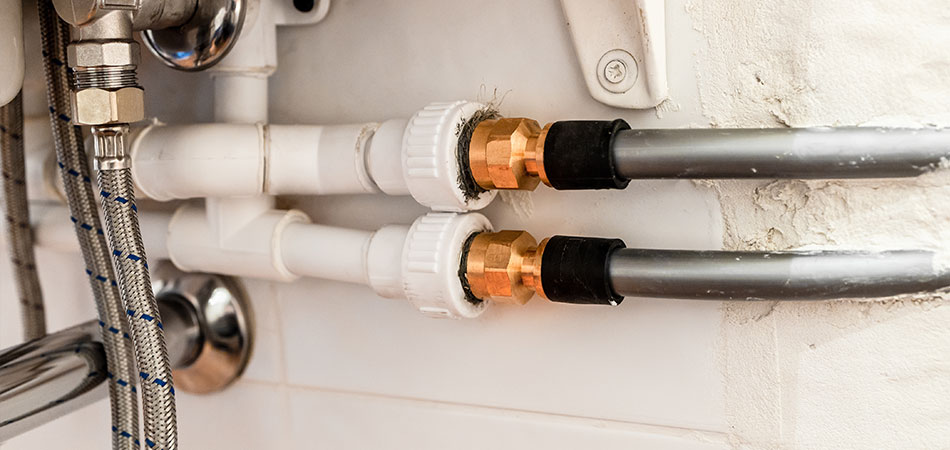
Reactive plumbing management—addressing problems only after they occur—is one of the costliest approaches to commercial property maintenance. Unplanned downtime, emergency service rates, tenant disruptions, and water damage restoration expenses far exceed the investment required for comprehensive preventive maintenance programs. Forward-thinking property managers and facility directors recognize that strategic plumbing maintenance delivers measurable returns through reduced emergency calls, extended equipment lifecycles, and improved tenant satisfaction.
The True Cost of Reactive Plumbing Management
When commercial properties operate on a break-fix model for plumbing systems, they incur multiple layers of unnecessary expenses. Emergency plumbing service calls typically cost two to three times standard rates, particularly for after-hours, weekend, or holiday responses. These premium charges compound when multiple emergencies occur simultaneously, stretching budgets and depleting capital reserves.
Beyond direct service costs, plumbing failures generate substantial indirect expenses. Business interruptions from restroom closures, water shutoffs, or flooding can force partial or complete building evacuations, resulting in lost revenue for commercial tenants and potential lease violations. In hospitality properties, plumbing failures may require discounting room rates or relocating guests, directly impacting profitability and brand reputation.
Water damage from burst pipes, overflow events, or chronic leaks creates cascading financial impacts including structural repairs, mold remediation, content replacement, and increased insurance premiums. These incidents often occur during non-business hours when detection delays allow extensive damage to accumulate. Professional water damage restoration services can easily cost tens of thousands of dollars for significant incidents, with project timelines extending weeks or months depending on severity.
Tenant turnover attributable to recurring plumbing problems imposes additional costs through lost rent during vacancy periods, leasing commissions, tenant improvement allowances, and marketing expenses to secure replacement tenants. In competitive commercial real estate markets, properties with reputations for maintenance issues struggle to attract and retain quality tenants, ultimately affecting asset values.
Developing a Comprehensive Preventive Maintenance Program
Effective preventive plumbing maintenance programs require systematic approaches addressing all components of commercial plumbing infrastructure. These programs shift maintenance activities from reactive responses to scheduled interventions designed to prevent failures before they occur.
A thorough plumbing system inventory forms the foundation of any preventive maintenance program. This inventory should document every significant plumbing component including water heaters, backflow preventers, pressure reducing valves, sewage ejector pumps, grease traps, water treatment systems, and major fixtures. For each asset, record manufacturer information, model numbers, installation dates, warranty periods, and recommended maintenance intervals. Digital asset management platforms simplify this documentation process and enable automated maintenance scheduling.
Establishing maintenance intervals requires balancing manufacturer recommendations, regulatory requirements, historical failure data, and operational considerations. Water heaters typically require annual flushing and inspection, while backflow preventers mandate yearly testing by certified technicians. Grease traps in food service operations may require monthly or even weekly pumping depending on capacity and usage volume. High-traffic restrooms benefit from quarterly fixture inspections to identify worn components before complete failure.
Partnering with qualified commercial plumbing contractors who offer preventive maintenance agreements provides several advantages over managing maintenance internally. These agreements typically include scheduled inspections, priority emergency response, discounted service rates, and detailed maintenance reporting. Professional plumbers bring specialized diagnostic equipment, extensive parts inventory, and technical expertise that enable them to identify potential problems during routine inspections, addressing issues before they escalate into emergencies.
Critical Systems Requiring Regular Inspection and Maintenance
Water heating systems represent significant capital investments and critical operational components in most commercial facilities. Neglected water heaters experience reduced efficiency, shortened lifecycles, and increased failure rates. Annual professional inspections should include temperature and pressure relief valve testing, anode rod condition assessment, tank flushing to remove sediment accumulation, and efficiency testing. For properties with multiple water heaters, staggered replacement schedules prevent simultaneous end-of-life failures that could overwhelm available capital budgets.
Backflow prevention assemblies protect municipal water supplies from contamination and require annual testing by certified technicians in virtually all jurisdictions. Beyond regulatory compliance, properly functioning backflow preventers protect property owners from liability associated with contamination events. Maintenance records must be retained to demonstrate compliance during inspections and audits. Many municipalities impose significant fines for testing failures or missed deadlines, making calendar management for these critical inspections essential.
Commercial kitchens contain specialized plumbing components including grease traps, commercial dishwashers, pre-rinse spray valves, and steam equipment that demand regular maintenance. Grease trap pumping frequency depends on capacity, usage patterns, and local regulations, with most operations requiring service monthly or quarterly. Inadequate grease trap maintenance leads to drain blockages, sewer backups, health code violations, and municipal fines. Dishwasher spray arms, chemical dispensers, and temperature gauges require periodic inspection to ensure proper sanitization and energy efficiency.
Sewer and drain lines benefit enormously from preventive maintenance despite being hidden infrastructure components. Annual or biennial video camera inspections identify root intrusion, joint separation, scaling, and other developing problems before they cause complete blockages. Scheduled hydro-jetting services remove accumulating debris and maintain optimal flow capacity. These proactive interventions cost a fraction of emergency main line repairs and prevent operational disruptions from sewer backups.
Implementing Water Conservation Measures
Water conservation delivers dual benefits for commercial properties: reduced utility expenses and enhanced environmental sustainability credentials increasingly valued by tenants and investors. Modern plumbing technologies enable significant consumption reductions without compromising performance or user satisfaction.
Replacing older toilets with high-efficiency models reduces water consumption from 3.5 gallons per flush or more to 1.28 gallons or less, cutting toilet water usage by over 60 percent. In high-occupancy buildings, these savings translate to thousands of dollars annually. Many utilities offer rebate programs offsetting replacement costs, accelerating return on investment. Similarly, low-flow faucet aerators and showerheads maintain user satisfaction while substantially reducing flow rates and associated water heating costs.
Smart irrigation controllers equipped with weather sensors prevent overwatering by adjusting schedules based on rainfall, temperature, and humidity. These systems eliminate wasteful irrigation during rain events and adjust watering duration based on actual evapotranspiration rates. For properties with significant landscaping, smart irrigation delivers substantial water savings while improving landscape health through optimized watering practices.
Leak detection systems using flow monitoring technology identify abnormal water usage patterns indicating leaks, running toilets, or unauthorized usage. These systems provide real-time alerts enabling rapid response before minor leaks become major water damage events. The data these systems collect also supports utility bill verification, budget forecasting, and water conservation reporting for sustainability initiatives.
Training and Empowering On-Site Staff
While licensed plumbers should perform all significant repairs and installations, properly trained on-site maintenance personnel serve as the first line of defense against plumbing emergencies. Regular training programs enable facilities staff to identify early warning signs of developing problems, perform basic troubleshooting, and implement emergency shutdown procedures to minimize damage.
On-site staff should know the locations of all emergency shutoff valves including main building shutoffs, floor or zone isolation valves, and individual fixture shutoffs. During emergencies, this knowledge enables rapid response that can prevent thousands of dollars in water damage. Regular drills ensure staff can locate and operate these valves even under stressful emergency conditions.
Training should also cover basic troubleshooting procedures for common issues like running toilets, minor clogs, and fixture leaks. While staff shouldn’t attempt repairs beyond their qualifications, properly diagnosing problems enables more accurate work order descriptions when calling professional plumbers, potentially reducing diagnostic time and associated costs. Staff should understand which situations require immediate professional response versus issues that can wait for scheduled service.
Measuring and Optimizing Program Performance
Successful preventive maintenance programs require ongoing measurement, analysis, and optimization. Tracking key performance indicators enables data-driven decision making and demonstrates program value to stakeholders and executives.
Monitor emergency service call frequency and costs as primary program effectiveness metrics. Properly implemented preventive maintenance should demonstrate declining emergency incidents over time as scheduled interventions prevent failures. Calculate cost per square foot for plumbing maintenance including both preventive services and emergency repairs to establish baselines and track improvements.
Track mean time between failures for major equipment like water heaters, pumps, and backflow preventers. Extending these intervals through preventive maintenance demonstrates program effectiveness and supports capital planning for eventual replacement. Document maintenance-related tenant complaints and resolution times, as improvements in these metrics correlate with tenant satisfaction and retention.
Water consumption monitoring reveals trends that may indicate developing problems like hidden leaks or failing fixtures. Establish consumption baselines normalized for occupancy and weather factors, then investigate variances exceeding predetermined thresholds. Many properties discover that water consumption analysis identifies issues generating more savings than the analysis costs.
Regular program reviews with commercial plumbing partners ensure maintenance protocols remain current with evolving best practices, new technologies, and changing regulatory requirements. These collaborative relationships deliver superior results compared to adversarial vendor relationships focused solely on minimizing service costs. Quality commercial plumbers invested in long-term partnerships proactively recommend improvements that enhance property performance and reduce total ownership costs.
Posts Widget
-
1
-
2
-
3
-
4


Store Address
57 Queensway,
Petts Wood,
Orpington,
BR5 1EB

Copyright 2026 ©
